


Barn owl rescued from Jamia
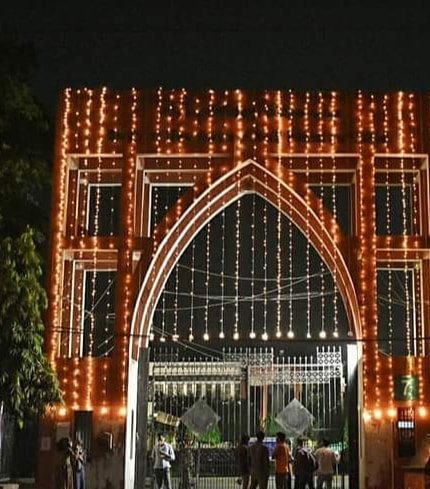
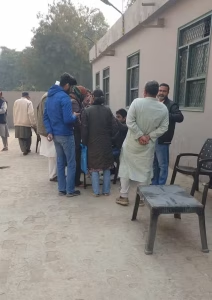
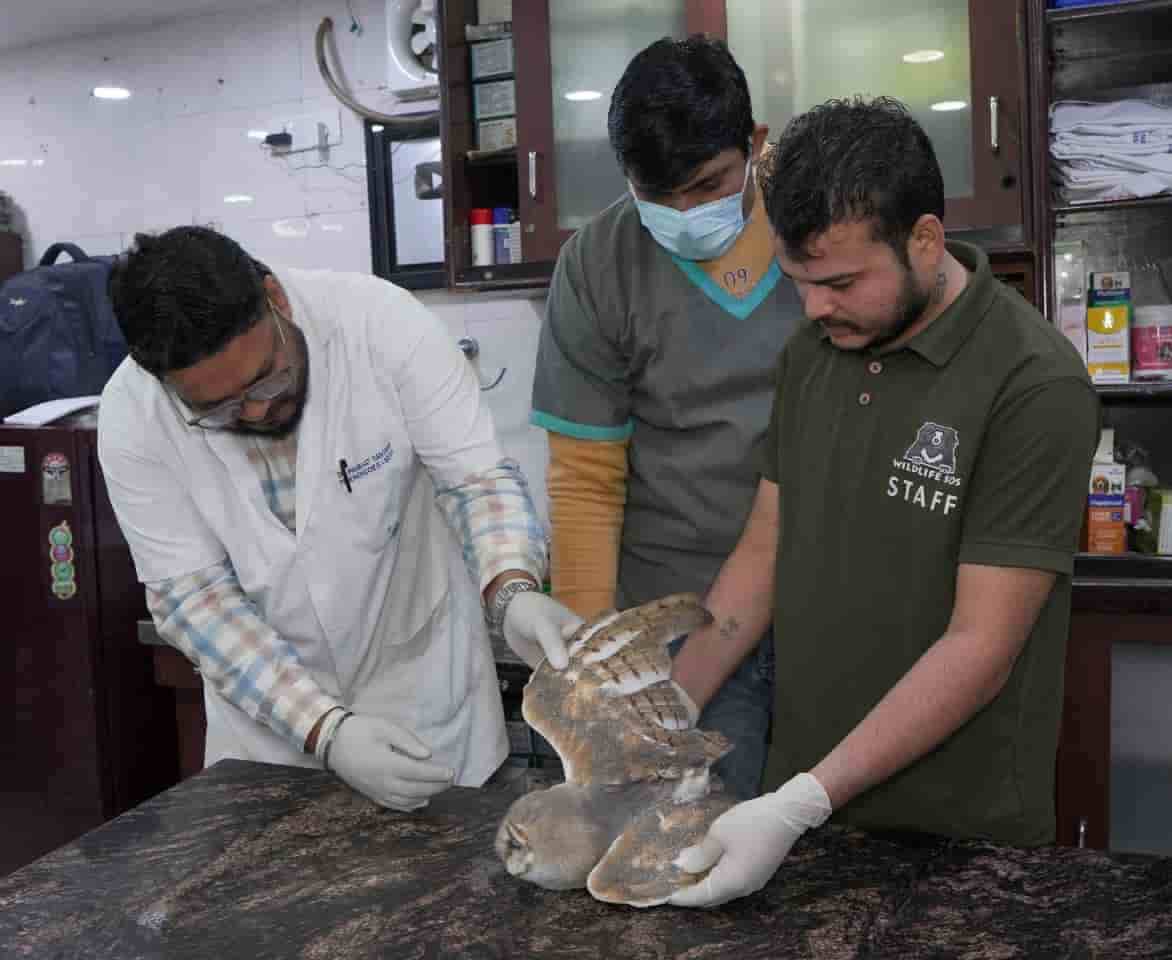
A routine day at Jamia Millia Islamia took an unexpected turn when a sub-adult barn owl (Tyto alba) was found grounded and unable to fly. Words spread fast on the campus and a vigilant student informed animal rescuers which turned up at the spot on time to save the bird.
ALSO READ: Jamia scholar makes university proud
The rescue team realised that the owl showed signs of weakness and possible flight impairment. Once at the transit facility, the veterinary team kept the bird under medical observation and noted that the bird appeared dehydrated and fatigued, likely due to failed flight attempts. The owl has since been receiving supportive care, including fluids, multivitamins, and essential supplements to restore strength and mobility.
Kartick Satyanarayan, Co-founder & CEO, Wildlife SOS, said: “Thanks to the swift action of the student who reached out to our Rapid Response Unit, we were able to intervene before the bird’s condition worsened. Our team is committed to ensure the owl regains full strength so it can safely return to the wild where it belongs.”
Barn owls are highly specialised nocturnal hunters, equipped with excellent low-light vision and near-silent flight abilities that rely on strong, stable wing function. As vital controllers of rodent populations, they are often referred to as farmers’ friends. The species is legally protected under the Wildlife Protection Act, 1972, therefore, trapping, trading or keeping them as pets is strictly prohibited.
Geeta Seshamani, Co-founder & Secretary, Wildlife SOS, said: “Every rescue is a reminder of how closely our lives intersect with the wildlife around us. This young barn owl received help at the right moment because someone cared enough to call. Community participation is essential in protecting urban wildlife, and we are grateful for the growing awareness that leads to timely rescues like this one.”
Suvidha Bhatnagar, Director of Communications, Wildlife SOS, said: “Incidents like this highlight the importance of our 24×7 helplines and the role citizens play in responding to wildlife in distress. We hope more people will reach out to us whenever they encounter an animal in distress.”
This is not a one-off incident in Jamia. Similar episodes have occurred in the past. On an earlier occasion, a video circulated on social media showing locals rescuing a bird that had become trapped in a tree. A reliable source also recalled a related incident during the Jamia Talimi Mela. While filming aerial shots of the campus with a drone, the device became lodged high in a tree. It took considerable effort and a combination of ladders, long sticks, and coordinated teamwork to finally bring it down safely.